Expert Drain Field Repair in Auburn, Alabama
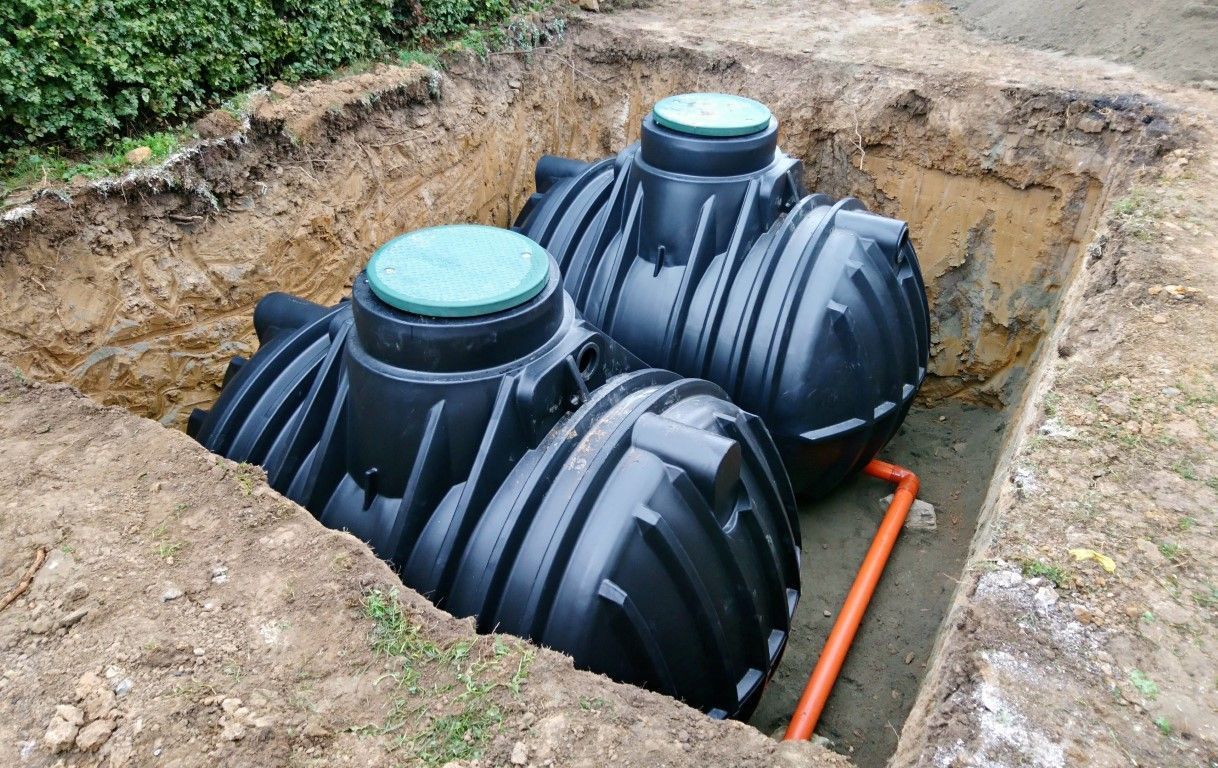

Your drain field is the unsung hero of your septic system, quietly dispersing treated wastewater back into the soil. When it fails, you'll know it: soggy, smelly patches in your yard, slow drains, and even sewage backups. A failing drain field isn't just an inconvenience; it's a critical issue that requires immediate, expert attention. Drain field repair service in Auburn, Alabama specialize in diagnosing and performing effective drain field repair, getting your septic system – and your property – healthy again.
What We Cover:
- Septic Tank Inspection
- Grease Trap Pumping
- Septic System Installation
- Signs of Drain Field Failure
- Common Causes of Damage
- Our Repair Solutions
- Preventative Care Tips
- Restoring Your Property
Why Choose Auburn Septic Tank Pumping for Drain Field Repair
Repairing a drain field requires specialized knowledge and equipment to ensure a lasting solution. We're the local professionals with extensive experience addressing the specific challenges that can impact drain fields in this region. We don't just patch problems; we get to the root cause, utilizing precise diagnostic tools and proven repair techniques. You'll receive clear explanations, efficient service, and a commitment to restoring your system's functionality with minimal disruption to your property, whether you're close to the Research Park or out in a more rural setting.
Our Drain Field Repair Process: Effective Solutions for Clogged Systems
When your drain field shows signs of failure, our repair process begins with a thorough assessment to pinpoint the exact issue. We might use camera inspections to check for pipe blockages or damage, and soil tests to evaluate absorption capabilities. Once we understand the problem, we develop a targeted repair plan. This could involve jetting clogged lines, replacing damaged distribution boxes or pipes, or even rejuvenating sections of the drain field. Our goal is to restore optimal flow and absorption, ensuring your wastewater is properly treated and dispersed without surfacing or backing up, helping homes from Opelika to Auburn maintain healthy systems.
What Causes Drain Field Failure?
Understanding the culprits behind drain field failure is the first step in prevention and effective repair. You'll often find that multiple factors contribute to its demise:
- Excessive Water Usage: Overloading the system can saturate the soil, preventing proper drainage.
- Lack of Septic Pumping: Solids escaping the tank will clog the drain field's soil and pipes.
- Tree Root Intrusion: Roots are drawn to the water and nutrients, cracking pipes and creating blockages.
- Compaction: Driving vehicles or heavy equipment over the drain field compresses the soil, reducing its ability to absorb liquid.
- Poor Soil Conditions: Clay-heavy soils naturally drain slower, making them more susceptible to saturation.
- Improper Installation: Incorrect slope, pipe placement, or sizing can lead to early failure.
- Chemical/Harmful Substances: Flushing harsh chemicals or non-biodegradables can harm the beneficial bacteria in the soil.
Knowing these causes helps us tailor the most effective repair strategy.
Recognizing the Early Warning Signs of Drain Field Issues
Your drain field will often provide subtle hints long before a catastrophic failure. Paying attention to these early warnings can save you significant time, money, and hassle. Be on the lookout for:
- Standing Water: Puddles or consistently wet areas in your yard, especially over the drain field.
- Lush Green Grass: Patches of unusually vibrant, green grass in strips above the drain lines, indicating over-fertilization from effluent.
- Foul Odors: Unpleasant sewage smells near your drain field or within your home.
- Slow Drains/Toilets: Water backing up in sinks, showers, or toilets, often indicating a downstream blockage.
- Sewage Seepage: Actual raw sewage coming to the surface of your lawn, a severe health hazard.
These signs are clear indicators that your drain field needs immediate professional assessment.
Preventative Measures for a Healthy Drain Field
After a repair, or even to prevent one, implementing preventative measures is key to a long-lasting drain field. You'll want to schedule regular septic tank pumping to keep solids out of the field, and be mindful of your water usage to avoid hydraulic overload. Avoid planting trees or shrubs with aggressive root systems near the drain field, and never drive heavy vehicles or park on the area, as this compacts the soil. These simple steps drastically reduce the risk of future failures and costly repairs, especially for properties in the humid climate.
Need Prompt Drain Field Expertise?
Don't let a failing drain field compromise your home's sanitation or value. The longer you wait, the worse the problem can become, potentially leading to more extensive and expensive repairs. We're here to provide the fast, effective solutions you need to restore your drain field's functionality and protect your property. Trust the local experts to bring your septic system back to life. For prompt and professional drain field repair, don't hesitate. Call us for immediate assistance!